Pain is not a solitary feeling so much as a cluster of signals, beliefs, and habits that merge at the most awful possible time. In prehospital and emergency settings, that complexity gets here with blinking lights and high stakes. PUAEME008 Give Discomfort Management exists for that truth. It outfits responders, nurses, and allied health experts with practical, evidence-based devices to examine discomfort properly, treat it securely, and advocate for patient convenience without jeopardizing medical priorities.
I have actually invested long changes pacing the narrow aisle of rescues, discussing morphine doses while the roadway bucked under our wheels, and fielding questions from distressed relatives that desired peace of mind greater than pharmacology. I have additionally watched discomfort spiral past physiology and bleed into panic, conflict, and loss of trust. The skills in the supply discomfort administration program do greater than minimize a number on a scale. They shape end results, minimize difficulties, and make care really feel humane.
What this system covers and who benefits
PUAEME008 Offer Discomfort Monitoring is acknowledged throughout emergency situation services and often ingrained hurting administration training for nurses, paramedics, and responders. It concentrates on quick assessment and meaningful intervention, with a balance of medicine and non-drug methods. Grads should be able to recognize the mechanism of pain, select a safe choice from the local formulary or concurred procedures, supply it with ideal monitoring, and assess feedback in real time. The aim is decisiveness without foolhardiness, convenience without oversedation.
Many learners approach this as component of wider pain monitoring training courses or as one of several brief training courses suffering administration to update skills. It sits well together with a certification course suffering monitoring or a discomfort administration accreditation training course that goes deeper into persistent pain, neuropathic systems, or interdisciplinary preparation. For medical professionals in acute treatment, especially those looking for a pain administration certificate focused on emergency discomfort monitoring, PUAEME008 is practical and quickly applicable.
If you work in healthcare facility triage, rural access, occasion medicine, or area urgent treatment, the frameworks convert directly. Pain monitoring programs for registered nurses and pain administration courses for physio therapists typically attract from the very same evidence base however vary in extent and authority to provide medicines. Understanding where PUAEME008 begins and where other expertises take over helps create a meaningful strategy of care as opposed to a patchwork of great intentions.
The attitude behind efficient pain management
Good discomfort treatment is much less about memorizing dosage tables and even more concerning practices of thought. The most effective medical professionals share a couple of qualities. They wonder concerning the mechanism of discomfort, humble about unpredictability, and disciplined with review. They match therapy to cause, instead of going after a number. They recognize that patient trust fund is a powerful analgesic in its very own right.
In technique, that indicates you do not treat a broken femur with the same toolset as a migraine headache aura or biliary colic. It likewise suggests you resist therapeutic inertia. If an intervention fails to move the needle by at the very least two factors on a sensible range, you pivot or intensify under procedure. And you document the story of the discomfort as meticulously as the treatments, due to the fact that context guides your adhere to through.
A narrative comes to mind. A teen with a believed ankle fracture came in after a netball video game. Her pain rating was eight, yet her breathing was consistent and she was talking with pals. We chose ice, elevation, immobilization, and a timed dose of dental analgesia en route to imaging. She went down to a four prior to X-ray and never needed opioids. The technique was not bravado. It was self-confidence in pathophysiology and appropriate non-opioid measures. PUAEME008 educates that kind of consistent judgment.
Assessment: the foundation of the unit
If you only take something from the supply discomfort management program, take the discipline of structured analysis. Discomfort is subjective, however its context is not. Mechanism of injury, time considering that beginning, place, radiation, connected signs, intensifying and relieving variables, and practical impact, these pieces build a picture you can treat.
Adult clients can generally involve with a numeric score range from 0 to 10, yet you must customize the technique. Some react better to a verbal descriptor range with options like light, moderate, extreme. For youngsters or those with cognitive disability, a faces range or behavioral hints may be extra meaningful. I have learned to treat outliers with caution. A patient farmer gritting his teeth at a three can be in more trouble than a talkative city slicker at an eight with normal vitals. Respect the number, yet do not follow it blindly.
Vital indications matter. Tachycardia and hypertension can be discomfort, concern, hypovolemia, or sepsis. Respiratory rate is key when you take into consideration opioid titration. Oxygen saturation, capnography if readily available, and pupillary dimension help spot sedation and upcoming hypoventilation early. For localized injuries, a concentrated exam with palpation, neurovascular checks, and range of motion provides targets for local blocks or splints. For visceral discomfort, believe pattern recognition. Right top quadrant discomfort after a fatty meal factors you towards biliary colic. Colicky flank pain with hematuria recommends renal stone. These distinctions lead whether you lean on NSAIDs, antispasmodics, or titrated opioids.
/assets/images/provider/photos/2787906.jpeg)
Analgesic pharmacology in the field
Local protocols vary, so I will speak in concepts rather than a fixed medicine checklist. PUAEME008 Offer Discomfort Monitoring stresses comprehending start times, peak effects, duration, and negative effects profiles, and matching those to the environment.
Oral paracetamol is essential. It is risk-free at therapeutic doses, collaborating with NSAIDs, and useful as a background representative also when you plan to intensify. In injury with risk of bleeding, NSAIDs require caution. If you have no contraindications, they deliver strong relief for musculoskeletal discomfort and kidney colic. For opioids, little titrated doses defeat bolus dosing in dynamic setups. Aim for step-by-step dosages with clear targets and mandatory reassessment. You do not go after absolutely no discomfort when the device is significant and the transportation is brief. You aim for tolerable, convenient function and minimal negative effects.
Ketamine is worthy of a place in emergency situation discomfort administration when methods support it. At sub-dissociative doses, it supplies analgesia with less respiratory system depression than opioids. It can cause dysphoria or nystagmus, so prepare the client with a straightforward description and a calm atmosphere. Laughing gas serves for quick procedures if you have scavenging and trained personnel. It is not ideal for individuals with pneumothorax, digestive tract obstruction, or recent diving. Local anesthetics for local methods, such as an ankle block or a fascia iliaca block, can transform a transport. They demand training, sterile method, and physiological confidence. When succeeded, they decrease opioid usage, stabilize vitals, and boost safety.
The provide pain administration training course does not turn students right into anesthetists. It teaches you to pick the least high-risk effective option within your authority. If your scope allows just oral or intranasal agents, learn them deeply. Intranasal fentanyl has practical advantages in individuals with inadequate IV gain access to, especially children. Start is quick, application is predictable, and monitoring is essential. With any type of opioid, anticipate nausea and think about prophylaxis when proper. Maintain respect for variability, especially in older grownups, those with kidney or hepatic problems, and individuals on sedative medications.
Non-pharmacological techniques that really work
It is very easy to reject non-drug strategies as window dressing. That is an error. In the cramped back of an ambulance or a resus bay with alarm systems pain management courses chirping, easy actions can cut two points off a discomfort rating prior to you split open up a vial.
Immobilization and splinting are one of the most effective. A well-fitted vacuum splint on a thought tib-fib crack decreases movement and isolates pain. In shoulder misplacements, a sling complied with by gentle, protocolized reduction under analgesia recovers convenience and feature. Cold packs for severe soft cells injuries and burns, warm packs for muscular tissue spasm, both have their area. Elevation reduces swelling. For renal colic, antispasmodics and heat often make the difference between wriggling and quiet.
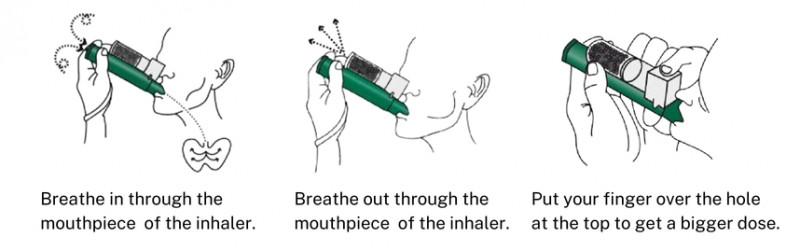
Breathing strategies and diversion sound soft up until you view them operate in youngsters. A bubble stick, a focus on counting breaths, or a brief narration script can deflect focus enough time for intranasal analgesia to kick in. For adults, calm explanations reduce worry. I commonly narrate what I am doing, in simple language, and request responses. The individual becomes a companion, not an easy recipient. Their sense of control lifts, and pain slackens its hold.
Monitoring and safety and security: what divides capability from luck
Any pain management certification worth its charge strengthens surveillance as a non-negotiable. The drug is the very easy component. The effects stay in the mins that adhere to. Pulse oximetry, respiratory system rate trending, mental status checks, and, where available, capnography, form your safety net. After an opioid dose, I designate someone to see the breast and the face while I chart or prepare the following step. Try to find slowing down, shallow breathing, new snoring, or a glazed appearance. If capnography surges above expected standards, act early.
Reassessment should be structured. File the discomfort rating, practical condition, and crucial indicators at concurred intervals, generally every 5 to 10 minutes after titration or procedural steps. If the setup is chaotic, utilize a psychological checklist: pain, pressure, pulse, pupils, pattern of breathing. Readjust the strategy when the trajectory is wrong. Add antiemetics for nausea or vomiting. Slow down or stop if sedation approaches. Never ever press an opioid to zero discomfort just before a procedural sedation unless your group and tools await air passage management.
Adverse impacts belong to the landscape. Opioid-induced nausea and pruritus prevail, as is hypotension in volume-depleted people. Ketamine can elicit perceptual modifications, convenient with reassurance and reducing ecological stimuli. NSAIDs intensify gastritis and intimidate renal feature in prone people. Paracetamol overdosing is unusual in experienced hands yet unrelenting, so calculate complete daily dosage throughout all resources. The pain management training for nurses particularly drills these details, because they commonly come to be the cautious eyes at the bedside when prescribers move on.
The subtlety of unique populations
Older adults metabolize drugs in a different way, and their book is thinner. I begin low and go slower, then pause to enjoy. Frailty often masks discomfort expression. A silent elder with a hip crack might remain in pain yet also worn down to report it. Doses that barely touch a healthy and balanced thirty-year-old can snow a ninety-year-old on a beta blocker. Functional objectives ought to guide the plan. Can they tolerate mild repositioning, imaging, or transfer without distress?
Pediatrics turns the script. Weight-based dosing, intranasal routes, and fast-onset alternatives power. Worry is half the battle. A confident, warm approach, integrated with topical anesthetics for IV positioning and intranasal fentanyl or ketamine where authorized, transforms a spiraling scene right into a controlled one. The discomfort management courses for nurses who staff pediatric units emphasize uniformity and parent coaching. Welcome the moms and dad to assist with placing or distraction. Avoid restraining youngsters unless safety and security needs it.
Pregnancy makes complex things. NSAIDs are generally prevented in later trimesters. Opioids can be made use of with take care of severe indications yet call for counseling and judicious dosing. Regional strategies that bypass systemic direct exposure may be suitable. For clients with persistent opioid usage or reliance, set assumptions early. Do not keep analgesia due to preconception. Usage multimodal non-opioid representatives, consider ketamine where ideal, and titrate opioids to effect with clear monitoring.
Procedural discomfort and the worth of preparation
Procedural discomfort is predictable. Cannulation, breast drains pipes, reductions, and injury care all harmed in details methods. Preparation defeats improvisation. If a decrease is required, pre-brief the group. Assign roles. Select analgesia and anxiolysis that match the duration and strength. For short, sharp treatments, nitrous oxide or intranasal agents can be enough. For longer tasks, think about local blocks or a thoroughly checked sedation supplied by trained workers. The distinction between a smooth relocation and a distressing one commonly hinges on the extra 2 mins invested clarifying the steps to the patient and applying a targeted block.
I once made use of a fascia iliaca block for a highway loss individual with a believed femoral crack. We had a long extrication and longer transport. With ultrasound and sterile method, the block established within 15 mins. His heart price resolved, and the trip changed. Nothing brave, just disciplined application of learned skills.
Documentation that tells the actual story
A pain management certificate program rightly hammers the value of documentation. Not due to the fact that documents matters more than people, however due to the https://sergioexqf215.iamarrows.com/pain-administration-training-for-registered-nurses-building-self-confidence-and-capability fact that a clear document shields them and you. Videotape the first discomfort evaluation, interventions with specific timing and dosages, review results, side effects, and person choices. When the story is uncommon, create the factors. If you kept NSAIDs as a result of renal condition, claim so. If you selected intranasal over IV because of bad accessibility and individual distress, note it. This narrative becomes the handover's backbone, permitting connection in the emergency department and beyond.
Building skills through deliberate practice
The PUAEME008 Provide Discomfort Management unit is a starting point, not a goal. Abilities degeneration without use. After program completion, look for situations that extend you under supervision. Technique landmarking for local strategies on colleagues in simulation. Time your beginning and peak impacts in training drills. Debrief after actual situations that went well and those that did not. What did you miss out on? Where did you hesitate? Did you reassess as frequently as you planned?
Pain monitoring training programs that include simulation with actual displays, capnography, and individual actors shift concept into muscle mass memory. Discomfort monitoring qualification programs for registered nurses and allied wellness personnel that include proficiency sign-offs and monitored clinical shifts deserve the investment. Brief programs suffering monitoring that concentrate on a solitary domain, such as ketamine analgesia or nerve blocks, can hone a targeted ability without frustrating schedules.
Navigating protocols and autonomy
Protocols secure people and medical professionals. They standardize risk-free method and reduce uncertainty under pressure. Yet, rigid adherence without professional thinking can backfire. A protocol might enable 5 to 10 mcg intranasal fentanyl in a kid, duplicated at repaired periods. If the kid comes to be sleepy after the very first dose, duplicating it even if the clock enables it is poor care. On the other hand, keeping a dose in a howling child with intact respiratory tract reflexes and a displaced crack because the discomfort score has not been returned to yet is also bad care.
This is where PUAEME008's emphasis on evaluation and review matters. You record the inconsistency with clear reasoning. You confer with medical control when called for. You maintain the person, not the kind, at the center of choice making. With time, you will discover where your solution's discomfort management training urges adaptability and where it requires rigorous sequence.
Measuring what matters
Pain ratings are one metric. Practical goals are much better. Can the person take a deep breath after you take care of rib cracks? Can they exist still for imaging? Can they take part in a neuro exam without wincing at every touch? These are medically meaningful gains. When you communicate these in handover, you guide the following team's options. You also track the trajectory. A person whose pain maintains increasing despite intensifying analgesia requires a new diagnosis or a new plan, not simply another ampoule.

From a system perspective, services that buy a supply pain management program and refresher courses see downstream advantages: fewer ED rises for frustration, smoother imaging circulations, lowered sedation prices for minor treatments, and greater client satisfaction. These are substantial outcomes. They likewise decrease personnel fatigue. It is wearying to view a person suffer when you know you can help.
When discomfort is a messenger, not a target
Not all pain ought to be totally suppressed. Abdominal discomfort with peritonism in an unstable person requires evaluation together with analgesia. We are past the era where opioids unknown medical indications past energy, but we still appreciate the body's warnings. In area syndrome or advancing spinal cord compression, discomfort overviews us toward very early intervention. The lesson is subtlety, not nihilism. Deal with discomfort, display carefully, and stay sharp for discordant findings that recommend a more harmful process.
Similarly, in head injury, take notice of changes after analgesia. Boosted convenience is great. New confusion is not. Sedation and hypoventilation can masquerade as renovation to the unwary. Anchor on your own with unbiased information and maintain a questioning mind.
Professional development pathways
Clinicians frequently ask whether they should seek a pain administration qualification beyond the unit. The response relies on role and rate of interest. For several in EMS or intense treatment nursing, PUAEME008, paired with routine inner drills and protocol updates, offers the appropriate degree of proficiency. For those aiming to lead plan or educate, a more comprehensive discomfort monitoring certificate training course or a certificate course in pain administration that covers chronic pain, biopsychosocial designs, and interdisciplinary care may be worthwhile. Physio therapists who wish to hone acute methods can select pain management training courses for physio therapists that highlight regional mechanics and non-pharmacological techniques in the initial 72 hours after injury. Nurses in EDs take advantage of discomfort management training for nurses that codifies triage analgesia, nurse-initiated procedures, and interaction skills for distressed families.
When contrasting discomfort administration training courses, try to find live situation method, professors with frontline experience, clear extent placement with your authority, and a plan for keeping skills gradually. Stay clear of programs that assure wonders or depend on filler web content. You will discover more from 3 hours of serious simulation than from a lots slides check out aloud.
A concise area checklist for PUAEME008 skills
- Assess mechanism, place, severity, and functional effect. Capture vitals, red flags, and person expectations. Choose an evidence-based treatment within range. Pair non-drug measures with a first representative suited to device and risk. Administer attentively. Titrate in small increments, clarify the plan, and prepare for adverse effects. Monitor and reassess. Track discomfort, function, and physiology. Readjust or intensify based upon action, not inertia. Document decisions and results. Interact the tale of the discomfort and the results of your interventions at handover.
The human element
The first mins with a person frequently determine the rest of the encounter. Introduce on your own. Ask what harms most, not just where. Repeat back what you listen to. Deal options where possible. Would you such as to attempt a nasal spray for fast relief while we get you much more comfy for the adventure? Most people say yes when they really feel respected.
I assume often of an evening on a country road where a woman with a clavicle crack sat rigid with worry. Our stock was limited. We offered intranasal fentanyl, applied a sling, and utilized a mild block at the crack's community after discussing risks. We dimmed the lights in the back and maintained conversation soft. Her pain dropped from 9 to four. She oversleeped snatches on a lengthy drive and thanked us except the drugs, but also for the calm. That is the core of PUAEME008 give pain monitoring. It is a structure to develop tranquil where mayhem intends to win.
Pain administration is not about heroics. It is about taking care of information, appreciating physiology, and staying existing. With the appropriate training, consisting of a concentrated supply pain administration training course and, where appropriate, a wider discomfort monitoring certification, you can deliver treatment that is secure, speedy, and deeply gentle. The proof sustains these methods. Extra notably, patients bear in mind them.