Introduction to Nosebleeds
Nosebleeds, clinically known as epistaxis, can be a surprising experience for lots of. They typically occur without warning and can leave you feeling anxious regarding what caused them and how to stop them successfully. Recognizing the composition of the nose, the usual causes of nosebleeds, and understanding just how to respond appropriately-- like tilting your head back-- can empower you to manage these scenarios with confidence.
In this detailed guide, "Nosebleeds 101: The Proper Way to Tilt Your Head Back and Quit the Bleed," we will check out numerous elements of nosebleeds and their management. We'll discuss their duty in community health and wellness, look into first aid strategies, discover functional tips on managing minor injuries in the house, and shed light on exactly how organizations like St. John Rescue contribute to public understanding concerning such wellness issues.
Nosebleeds 101: Properly to Turn Your Head Back and Stop the Bleed
Understanding just how to correctly handle a nosebleed is crucial for both personal security and neighborhood understanding. When a nosebleed takes place, one of one of the most typical false impressions is that turning your head back works. As a matter of fact, this technique can result in ingesting blood and even desire right into the lungs. Rather, leaning slightly ahead while squeezing the pulp of your nose can aid reduce blood flow down the throat.
What Triggers Nosebleeds?
Common Triggers for Nosebleeds
- Dry Air: One of the leading reasons for nosebleeds is completely dry air which can aggravate nasal membranes. Allergies: Seasonal allergic reactions can cause swelling in nasal flows causing bleeding. Infections: Colds or sinus infections might likewise result in frequent nosebleeds. Injury: Trauma from picking one's nose or blowing it as well hard can generate bleeding.
Less Common Causes
- Blood Problems: Conditions that impact blood clotting might cause more constant episodes. Medications: Particular medicines like anticoagulants boost bleeding risk.
Understanding these triggers can help you minimize risks within your household.
The Duty of Area Health in Managing Nosebleeds
Community health and wellness campaigns play a critical duty in educating individuals regarding taking care of minor wellness problems like nosebleeds. Organizations such as St. John Ambulance have actually been crucial in spreading recognition regarding first aid techniques via workshops and training sessions.
Founding of St. John Ambulance
Founded with a mission to advertise first aid expertise amongst communities, St. John Rescue has actually dedicated sources towards boosting public wellness proficiency. Their fundamental goal was not just https://lukastfzu588.tearosediner.net/renewal-timelines-for-hltaid012-qualification-remaining-up-to-date-in-emergency-treatment-abilities concerning immediate care however likewise lasting health promo strategies.
Essential House Things for Handling Nosebleeds
Every house must be furnished with certain items that assist in reliable first aid feedbacks:
|Product|Objective|| ----------------------|---------------------------------------------------|| Tissue or Cotton Wool|To take in blood throughout a bleed|| Ice Pack|To decrease swelling if there's any type of affiliated injury|| Emergency Treatment Manual|An overview for additional first aid practices|
Having these items readily offered guarantees you are prepared when emergencies develop-- not just for nosebleeds however likewise for kitchen blade cuts or other small injuries.
Tilting Head Back for Nosebleeds: Why It's Not Recommended
As specified previously, many individuals intuitively tilt their heads back when experiencing a nosebleed. However, this activity has its drawbacks:
Swallowing Blood: This might trigger nausea or discomfort. Risk of Ambition: Blood may get in the lungs if inhaled. Reduced Presence: Leaning back makes it harder to evaluate where the blood loss comes from from.Instead, it's suggested to maintain your head upright while carefully squeezing your nostrils together for a minimum of 10 minutes.
Portable Sets for Emergency situation Situations
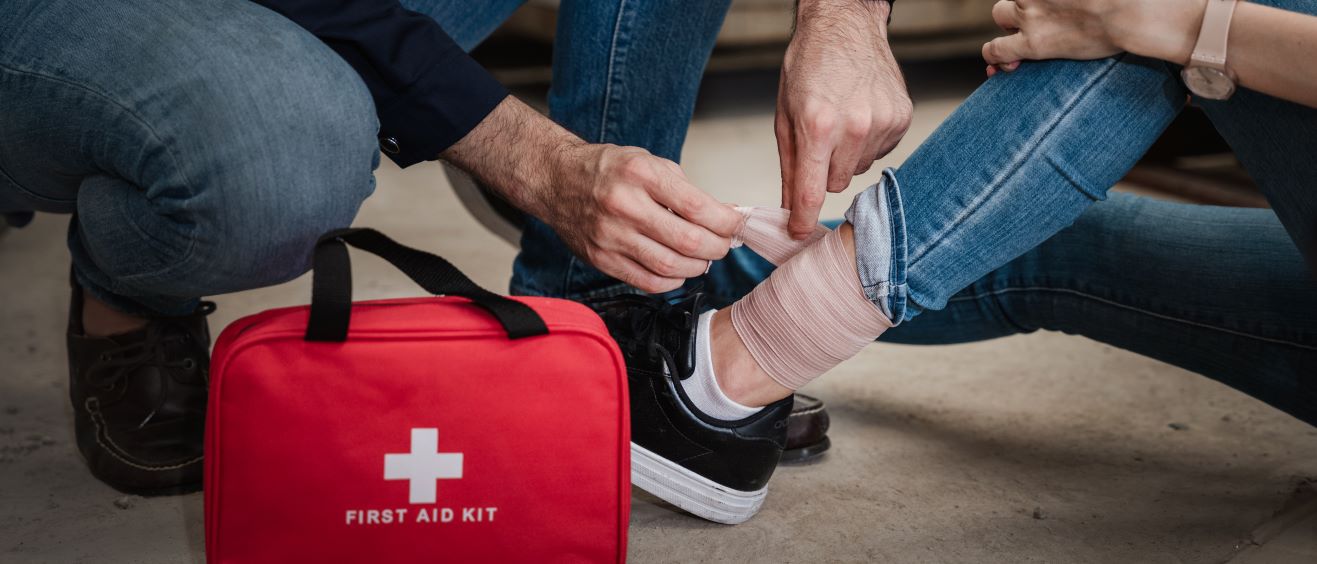
A mobile first aid package that includes materials specifically designed for dealing with nasal bleeds should be an essential item in every home and car:
- Band-aids Sterile gauze Antiseptic wipes Instructions on handling different injuries including bushfire season injuries
Fall Prevention Tips Relevant Throughout Nosebleed Management
For individuals that are prone to drops-- specifically those with clinical conditions influencing balance-- it's critical to maintain a safe environment when taking care of a nosebleed:
Ensure areas are well-lit. Clear paths of stumbling hazards. Use non-slip floor coverings where applicable.These techniques decrease First Aid Training in Wollongong risks linked not only with drops however likewise during episodes calling for immediate focus like treating small injuries on yourself after an accident.
FAQ Section
1. What's the most effective setting throughout a nosebleed?
Answer: Lean ahead a little while squeezing your nostrils together; this assists stop swallowing blood.
2. Exist any details times when I should seek clinical attention?
Answer: Yes, if the blood loss lasts longer than 20 minutes despite using stress or if you're experiencing regular episodes without clear cause.
3. Can children have nosebleeds?
Answer: Definitely! Children commonly experience nosebleeds because of completely dry air or nasal irritation however need to be kept track of carefully by parents.

4. How do I identify animal distress throughout a hemorrhage incident?
Answer: Family pets might show signs of anxiousness including pacing or whining; ensure they are calm prior to attempting any kind of emergency treatment procedures entailing them.
5. Is obtaining approval necessary before executing emergency treatment on someone?
Answer: Yes! Always ask for approval prior to aiding somebody else unless they are unconscious or incapable to provide approval due to their condition.
6. Can I make use of routine cells paper for stopping a bleed?
Answer: While routine cells paper can soak up blood temporarily, sterile gauze is better as it lessens infection risk.
Conclusion
Understanding exactly how to successfully handle a nosebleed is essential not simply at a specific degree but within our neighborhoods also-- the role in area wellness can not be downplayed. By equipping ourselves with understanding about fundamental first aid concepts-- such as avoiding turning your head back-- we encourage ourselves and others around us during emergencies.
Through organizations like St John Ambulance promoting recognition campaigns about vital subjects such as fire extinguisher operation or autumn prevention tips, we create more secure atmospheres helpful for healthy living and readiness against unanticipated incidents including kitchen blade cuts and bushfire season injuries.
In summary, being educated regarding episodes like "Nosebleeds 101: The Right Way to Tilt Your Head Back and Quit the Bleed" arms us with devices required not just for our family members yet likewise promotes community durability against health and wellness situations while reinforcing trust in our health care systems through informed action plans!
By incorporating comprehensive knowledge regarding managing nasal bleeds into everyday life-- a basic yet profound act-- we lead paths toward much healthier neighborhoods where every person plays a part in guaranteeing safety and security and health!